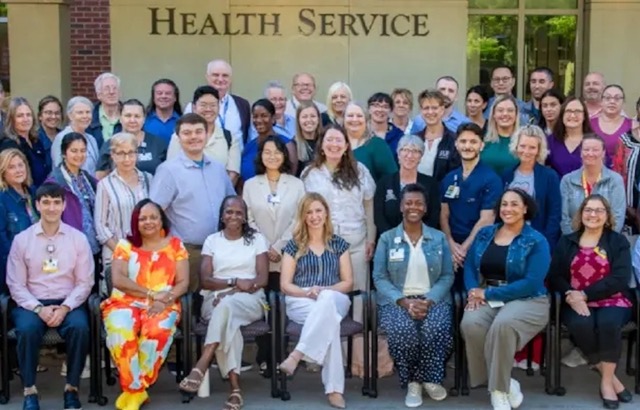

Some of you pushed from inside institutions—college employees, registered dietitians, school nurses, and dining services leaders—asking uncomfortable questions, navigating slow processes, and choosing not to wait. Some of you advocated as parents and college students.
Some acted because you saw the gap before an emergency. Others because you lived through one—and refused to let it happen again. All of you backed this work early, before it was easy.
Belay grew in those moments. So did public safety.
In too many places, life-saving medication exists only in theory.
Nearby, but locked away,
Present, but not trusted to be used,
Available on paper, but not in practice.
Last year wasn’t loud for Belay. It wasn’t polished or performative. It was operational, quietly impactful, and human—people inside real systems choosing to act, often without recognition and before they were forced to. And in 2025, those choices mattered.
MedLocker® was used in real emergencies. And lives were saved.
Two incidents we’re able to share involved anaphylactic reactions, one at Duke University and another at Cox Farms. In both cases, there was urgency and stress, but there was access. Medication wasn’t hidden or locked away. It was visible. It was accessible. And it was used in time.
Those moments began when people decided preparedness was worth building and lives were worth protecting. Across the country, schools, daycares, and universities made similar decisions.
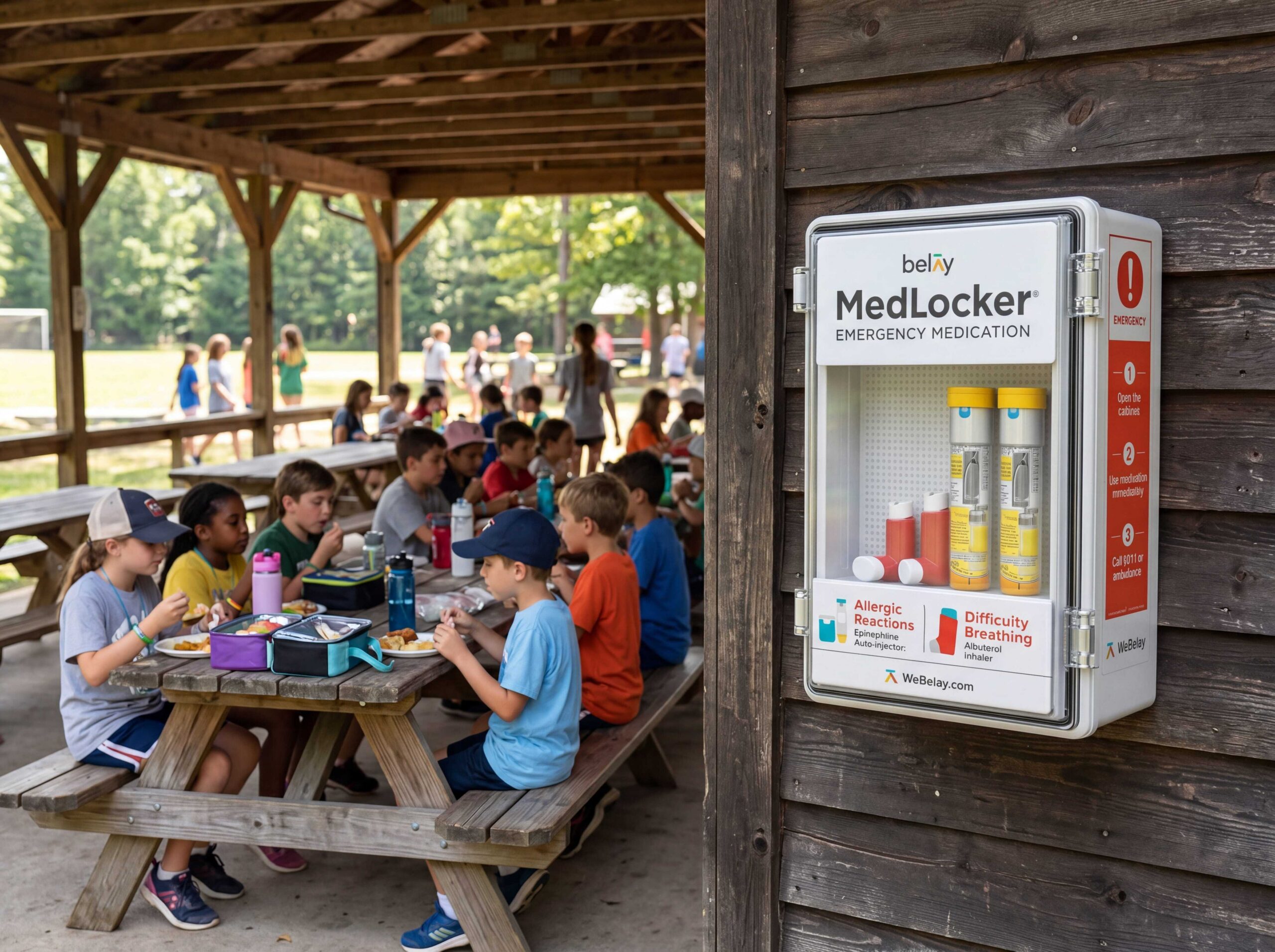
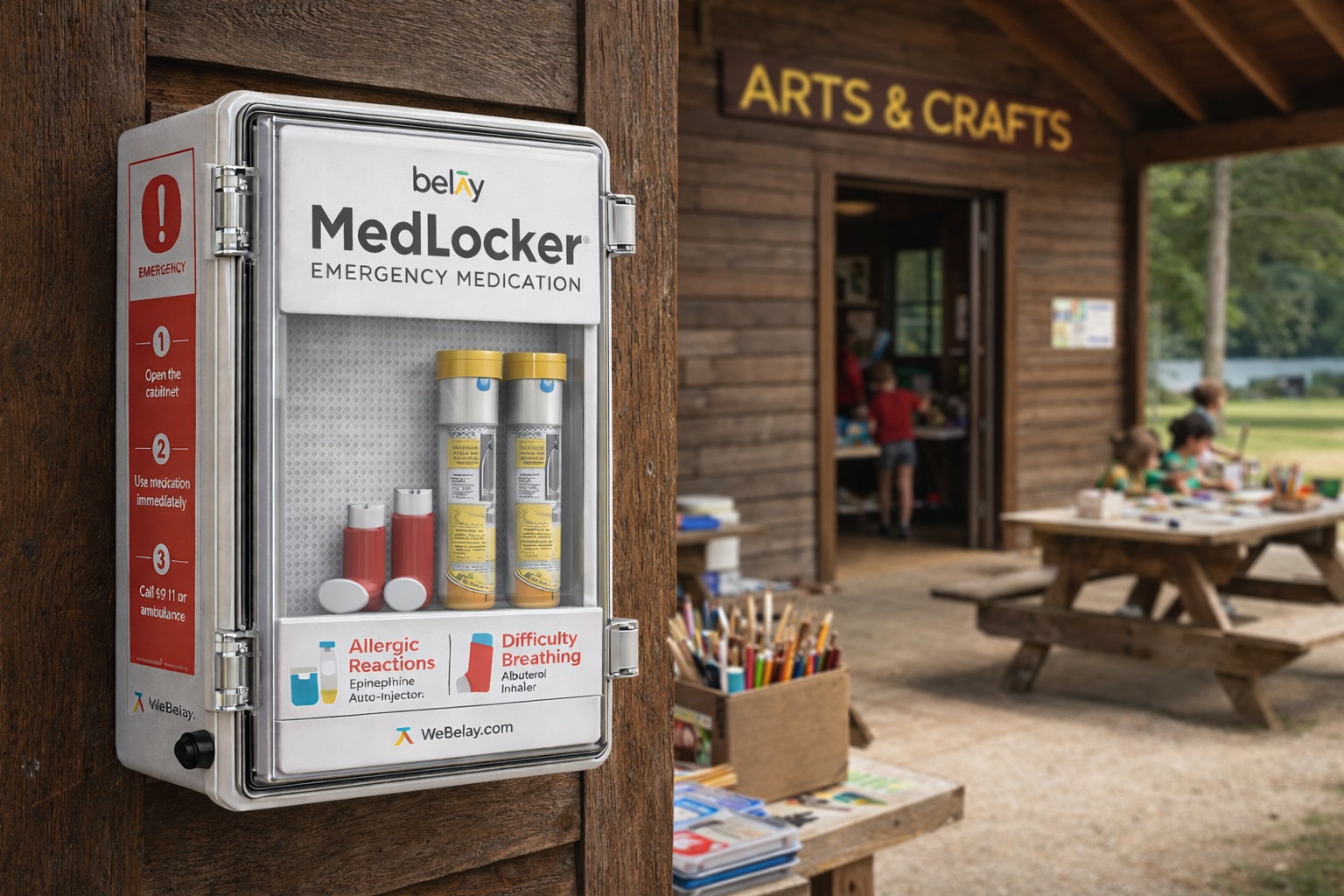
More than 100 schools and early learning environments brought MedLocker® on site in 2025. On college campuses, medication access began to shift from an exception to a responsibility. appearing in dining spaces, dorms, and large venues.
Institutions including Duke, (including Duke Medical School), Stanford, Northwestern, Tulane, Eastern Kentucky, St. John’s, Old Dominion, and the University of New England, acted early, helping redefine emergency readiness in higher education.
None of this happened in isolation.
In 2025, Belay began working closely with Aramark, a global leader in dining and food service. Aramark treats access to emergency epinephrine as a responsibility, not a weakness, honoring its commitment to student and community safety.
At the same time, a broader ecosystem was at work. Parents funded grants so campuses could stock publicly accessible epinephrine. College students pushed through bureaucracy to elevate safety. School nurses—always on the front lines—advocated again and again to keep their students safe.
These early believers supported this work before it was easy or inevitable. That collective effort is what made 2025 possible.
In 2026, Belay is expanding this work across more schools, college campuses, and into larger public environments like stadiums and arenas, where preparedness and seconds still decide outcomes.
Our focus remains the same: Make emergency medication visible and accessible.
We’ll keep building—with the people who keep pushing.
If you’d like to bring this to your community, I’d love to hear from you.
Abby Herzig
Co-Founder & CEO
Belay