
Food allergies are rising in prevalence, complexity, and public visibility, yet nurses—often the clinicians who spend the most time with patients and families—receive limited formal training in this area. To explore gaps, opportunities, and innovations shaping food allergy care, we spoke with Olga Kagan, founder and CEO of the Food Allergy Nursing Association (FANA). She explains why she created the organization, what challenges nurses face, and what families can do when navigating schools, camps, and workplaces.
In addition to leading FANA, Kagan teaches at two universities in New York, runs a consulting practice, and serves on the boards of several nursing organizations. She also chairs the nursing section at the New York Academy of Medicine, with a focus on strengthening the nursing workforce and improving care for people with food allergies.
Q: What is the Food Allergy Nursing Association?
A: FANA is the first professional organization focused on supporting nurses who care for people with food allergies. Our mission is to advance education, nurse-led research, leadership, and collaboration in this subspecialty. We offer accredited education, including a speaker series, and we are developing innovative care models such as a Certified Food Allergy Nurse Educator role. FANA is a growing global community, with members on five continents—evidence that the need for better food allergy education extends well beyond the United States.
Q: Why did you establish this organization?
A: The idea started in 2019 with a small group of nurses who recognized major gaps in allergy education and preparation—many of us also had personal ties to food allergies. In 2022, we published an article in Allergic Living outlining a Certified Allergy Nurse Educator vision, and the response from patients, nurses, allergists, and other clinicians was immediate and wide-ranging. That validated what we suspected: the need was national and global. With encouragement from advocates and colleagues, we incorporated in 2024 to create a professional home for nurses committed to advancing food allergy care.
Q: Nurses work in many settings—hospitals, clinics, schools, camps, public health. Can you share a few examples of how nurses contribute to food allergy management, treatment, and prevention?
A: Nurses are central to chronic disease management, including asthma, food allergy, and anaphylaxis, and we often spend the most time educating and supporting patients and families.
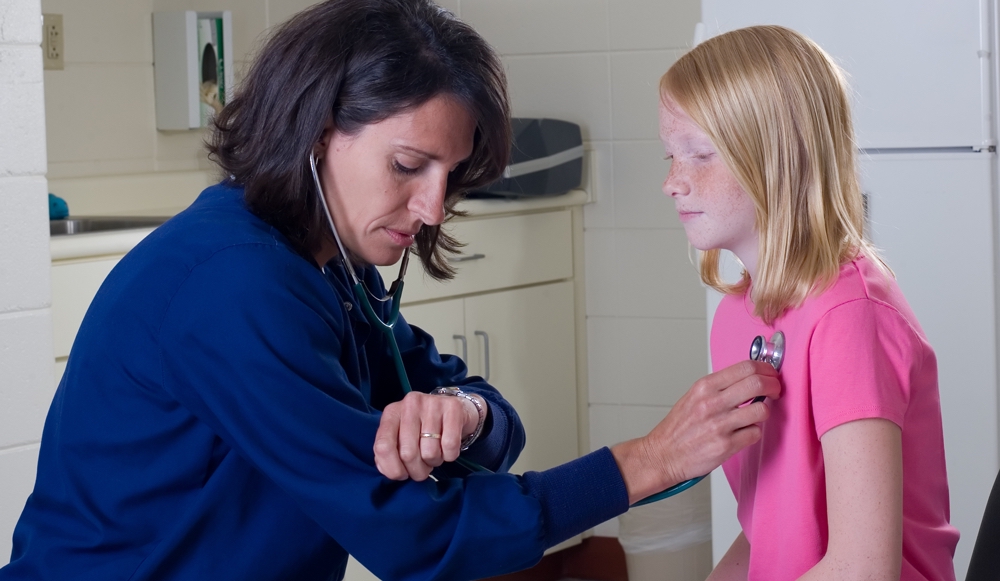
In hospitals, nurses monitor for reactions, administer medications, identify potential allergen exposures, coordinate care, and respond to emergencies—even when a patient is admitted for an unrelated condition.
In outpatient clinics, nurses deliver much of the day-to-day education: reviewing action plans, demonstrating epinephrine auto-injector use, supporting testing, coordinating referrals, and following up to ensure patients receive needed care.
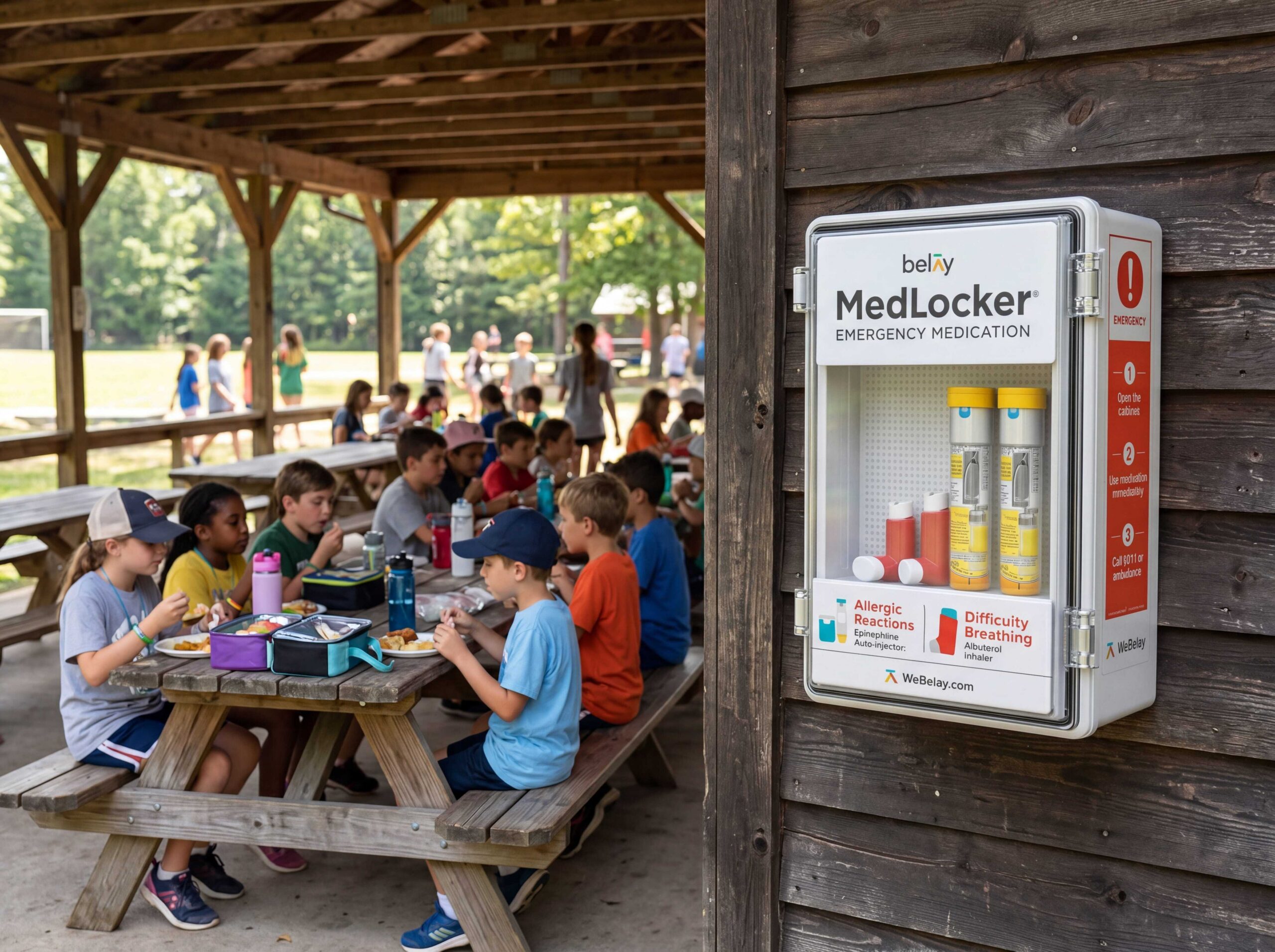
In schools and camps, the nurse may be the only on-site health professional—if the school even has one. Some districts cover multiple buildings with a single nurse. School nurses train staff, develop prevention strategies, and respond to emergencies. Research shows about 25 percent of first-time anaphylaxis occurs at school, often in children with no prior diagnosis, so rapid recognition and treatment are critical.
In public health, nurses provide community education, connect families to resources, and reach under-resourced populations. Before the COVID-19 pandemic, I taught young mothers in homeless shelters about food allergy and anaphylaxis—information they might not otherwise receive.
Q: What issues and concerns are you hearing from your members. What challenges do they raise around diagnosis, treatment, access to medication, and overall food allergy management.
A: The top concern is the lack of food allergy content in nursing school. Many nurses enter practice without the preparation needed to support patients—especially now, as therapies and management plans grow more complex.
Access to specialty care is another major issue, particularly in underserved communities and rural areas. Tele-nursing and a Certified Food Allergy Nurse Educator role could help close these gaps.
Nurses also cite risks from hidden allergens in foods, medications, and personal-care products, plus inconsistent policies across hospitals, clinics, and schools—making coordinated, safe management harder.
Finally, burnout is significant. In a recent study we published, 34 percent of nurses working in the food allergy space reported burnout, often tied to job stress and chaotic work environments.
Q: What advice would you give to patients, caregivers, and families who need to approach a school, camp, employer, or other entity about food allergy or anaphylaxis management.
A: Start early—especially when a child is entering a new school—and frame the conversation as a partnership. From my experience implementing the CDC’s voluntary guidelines in my children’s district, hands-on training for staff was essential: when people know how to prevent reactions and respond, children are safer.
Meet with the school nurse or health lead, bring the action plan and medication orders, and ask clear questions about emergency response, staff training, meal safety, and communication. Depending on the setting, a 504 plan or an Individualized Health Plan may help formalize accommodations and procedures.
New tools can also help, including digital anaphylaxis plans, secure medication storage, mobile emergency apps and alerts, smart epinephrine cases, and virtual-reality training.
Above all, communication is key. When families and institutions work together, children feel supported and protected.
For more information, visit the Food Allergy Nursing Association’s web site.