
As summer approaches, parents across North America and Canada are packing trunks, checking gear, and preparing to send their children off to the ultimate tradition: sleepaway camp. For a few weeks, campers trade screens for campfires, lakes, and hiking trails.
But while camps are designed for adventure, their expansive layouts and remote locations present a unique challenge when it comes to medical emergencies. When a crisis strikes on a distant ball field, near the waterfront, or deep in the woods, the distance to the central camp health lodge can feel like miles. In a true emergency, every second counts—which is why it is time to rethink how we store life-saving medications.
The Problem with the Traditional “Locked Lodge” Model
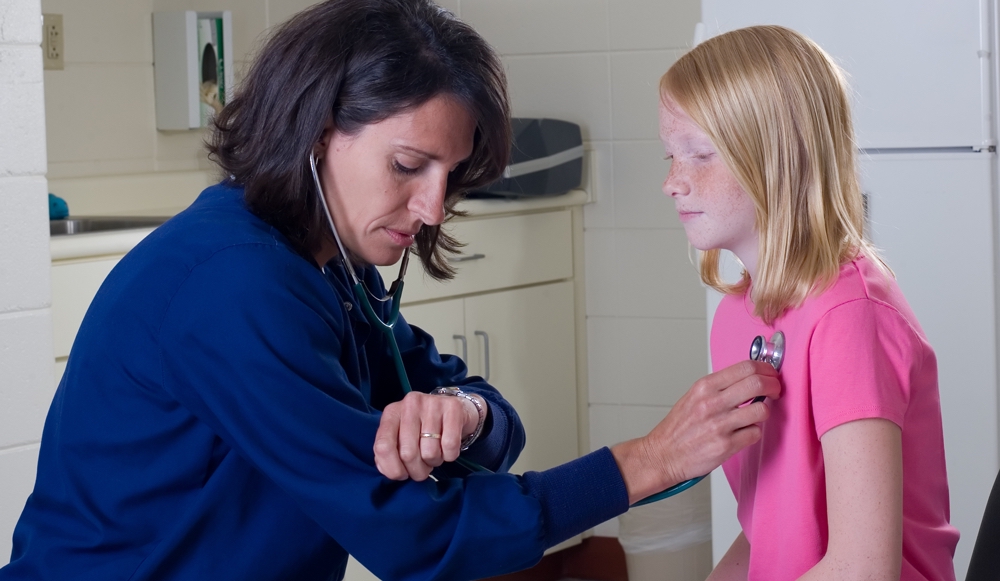
Historically, summer camps have kept all medical supplies locked away inside a central infirmary. While this works well for routine daily prescriptions, it creates a dangerous bottleneck for acute emergencies. If a camper experiences a severe allergic reaction or an asthma attack on the opposite side of the campground, relying on a staff member to run to the nurse’s cabin, find the key, and run back can take precious minutes that a child simply does not have.
Just as the advent of the Automated External Defibrillator (AED) changed cardiac response by putting life-saving tools directly in public spaces, summer camps must shift toward publicly accessible, smart-monitored emergency medication stations.
Three Vital Medications in Plain Sight
To fully protect a camp community, public access stations should be stocked with three critical, life-saving medications that anyone can administer in a crisis:
- Epinephrine (for Food Allergies & Bee Stings): With food allergies on the rise and outdoor environments filled with stinging insects, anaphylaxis is a constant risk. Severe allergic reactions can constrict airways within minutes, making immediate access to an epinephrine auto-injector non-negotiable.
- Albuterol (for Asthma Attacks): Outdoor physical activity, smoke from campfires, high pollen counts, and heat can easily trigger acute asthma exacerbations. Having albuterol readily available ensures a struggling camper can breathe while medical help arrives.
- Naloxone (for Overdoses & Exposure): While not something any camp director likes to think about, opioid preparedness is a critical modern safety standard. Having naloxone on-site provides a complete safety net, ensuring the camp is equipped to handle any severe respiratory depression emergency.
The Belay Perspective: True Peace of Mind
At Belay, we believe that emergency medications should be securely housed but instantly accessible—with no locks, no keys, and no time lost.
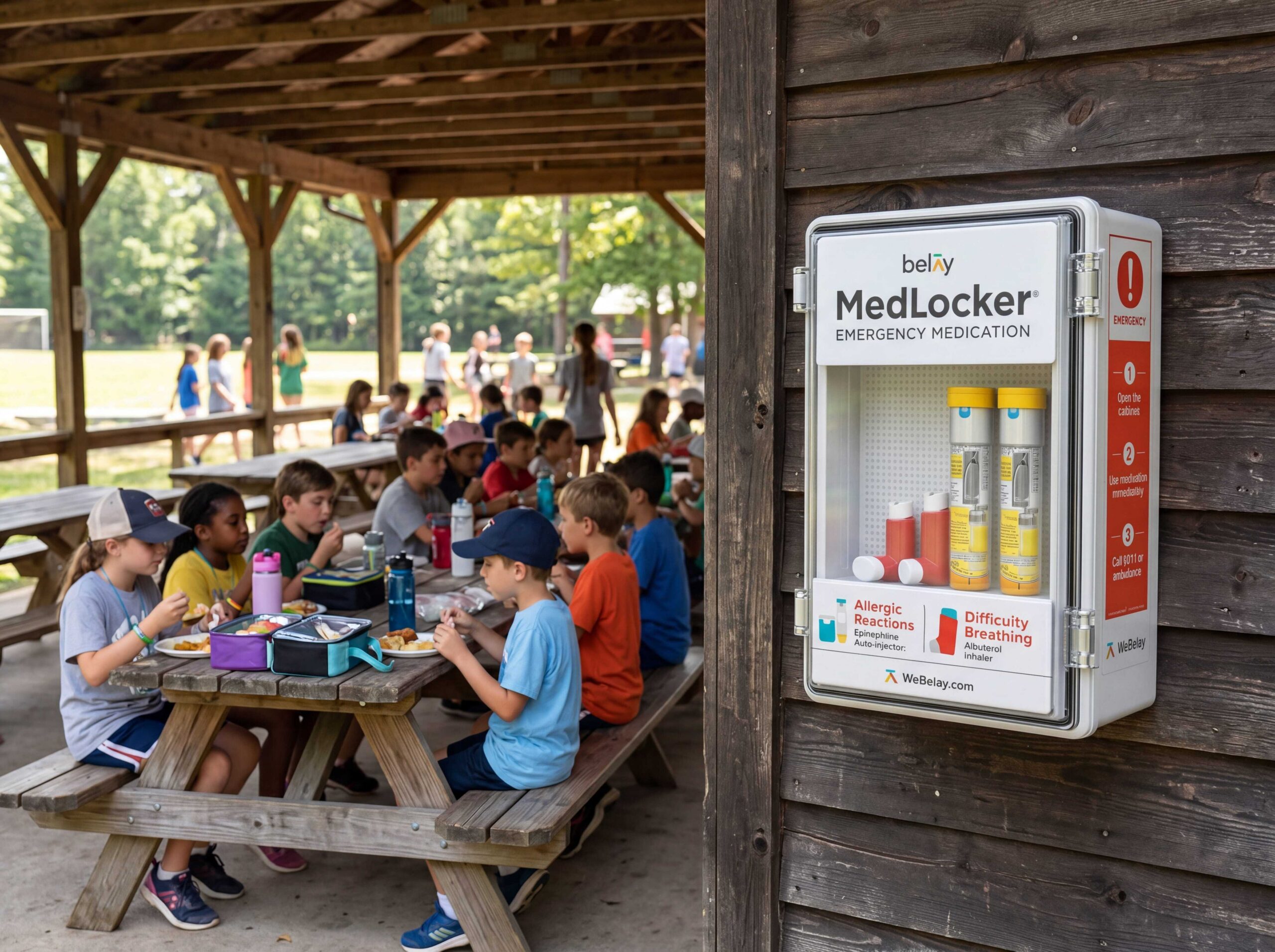
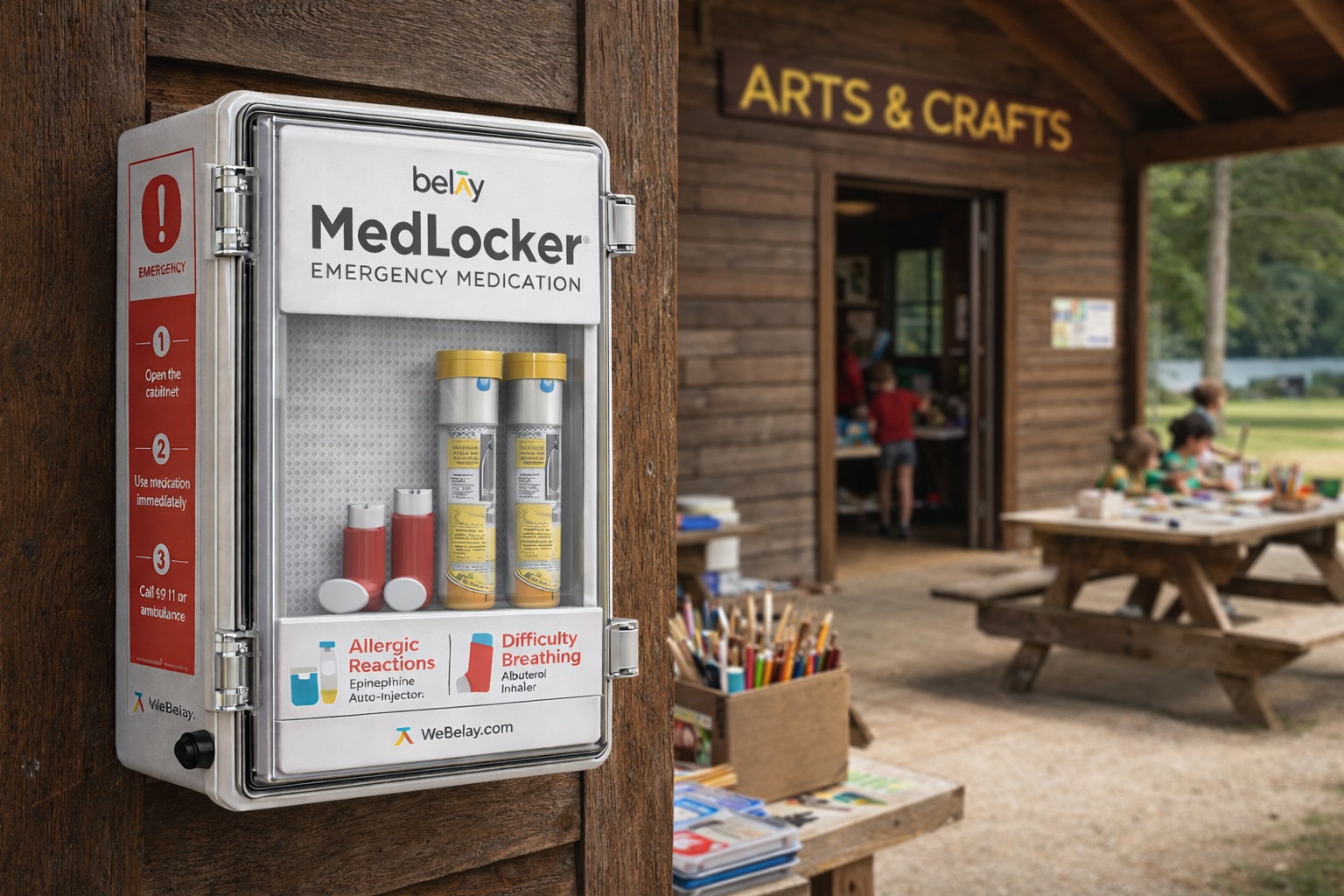
By implementing a smart system like the MedLocker®, camps can place life-saving medications in high-traffic, high-risk areas (like dining halls, waterfronts, and sports complexes). The MedLocker® functions exactly like a public AED station: it keeps medications in plain sight and protected, but triggers real-time alerts the moment it is opened so camp medical staff are instantly notified of an active emergency.
Combined with end-to-end medication sourcing, automatic expiration tracking, and accredited staff training, this approach ensures that a camp’s staff is both equipped and confident to act when it matters most.
A New Standard of Camp Safety
Giving parents true peace of mind means demonstrating that their children are safe from the moment they step off the bus. By bringing emergency medications out of the locked closet and into the open, camps across the US and Canada can elevate their safety standards, protect their campers, and ensure that summer remains a time for making memories—safely.
Ready to upgrade your camp’s safety infrastructure for the upcoming season? Discover how we are partnering with camps to streamline emergency preparedness at www.webelay.com/camp-edition.
The Problem with the Traditional “Locked Lodge” Model
Historically, summer camps have kept all medical supplies locked away inside a central infirmary. While this works well for routine daily prescriptions, it creates a dangerous bottleneck for acute emergencies. If a camper experiences a severe allergic reaction or an asthma attack on the opposite side of the campground, relying on a staff member to run to the nurse’s cabin, find the key, and run back can take precious minutes that a child simply does not have.
Just as the advent of the Automated External Defibrillator (AED) changed cardiac response by putting life-saving tools directly in public spaces, summer camps must shift toward publicly accessible, smart-monitored emergency medication stations.
Three Vital Medications in Plain Sight
To fully protect a camp community, public access stations should be stocked with three critical, life-saving medications that anyone can administer in a crisis:
- Epinephrine (for Food Allergies & Bee Stings): With food allergies on the rise and outdoor environments filled with stinging insects, anaphylaxis is a constant risk. Severe allergic reactions can constrict airways within minutes, making immediate access to an epinephrine auto-injector non-negotiable.
- Albuterol (for Asthma Attacks): Outdoor physical activity, smoke from campfires, high pollen counts, and heat can easily trigger acute asthma exacerbations. Having albuterol readily available ensures a struggling camper can breathe while medical help arrives.
- Naloxone (for Overdoses & Exposure): While not something any camp director likes to think about, opioid preparedness is a critical modern safety standard. Having naloxone on-site provides a complete safety net, ensuring the camp is equipped to handle any severe respiratory depression emergency.
The Belay Perspective: True Peace of Mind
At Belay, we believe that emergency medications should be securely housed but instantly accessible—with no locks, no keys, and no time lost.
By implementing a smart system like the MedLocker®, camps can place life-saving medications in high-traffic, high-risk areas (like dining halls, waterfronts, and sports complexes). The MedLocker® functions exactly like a public AED station: it keeps medications in plain sight and protected, but triggers real-time alerts the moment it is opened so camp medical staff are instantly notified of an active emergency.
Combined with end-to-end medication sourcing, automatic expiration tracking, and accredited staff training, this approach ensures that a camp’s staff is both equipped and confident to act when it matters most.
A New Standard of Camp Safety
Giving parents true peace of mind means demonstrating that their children are safe from the moment they step off the bus. By bringing emergency medications out of the locked closet and into the open, camps across the US and Canada can elevate their safety standards, protect their campers, and ensure that summer remains a time for making memories—safely.
Ready to upgrade your camp’s safety infrastructure for the upcoming season? Discover how we are partnering with camps to streamline emergency preparedness at www.webelay.com/camp-edition.