
I train school staff, camp counselors, and university administrators across the country, and I always ask the same question: “If a child is having an allergic reaction, what do you do first?”
Too often, someone says: “Call the parents.”
Wrong.
Here’s the protocol that saves lives, and it’s the same protocol embedded in every state law I helped pass: Epinephrine first. Everything else second.
Not “call the parents and ask permission.” Not “try to reach the student’s doctor.” Not “see if it gets better on its own.” You administer epinephrine, and then you make your calls.
Let me be blunt about why this matters: I’ve seen the aftermath of delayed treatment. I’ve talked to families who lost children because staff waited for permission that never came—Mom didn’t answer her cell phone, Dad was in a meeting, and by the time someone reached them, it was too late. I’ve counseled teachers who carry that trauma for the rest of their lives.
Here's what your immediate response should look like:
STEP 1: Recognize the symptoms Hives, swelling, difficulty breathing, vomiting, feeling of doom, loss of consciousness—any combination means you act immediately.
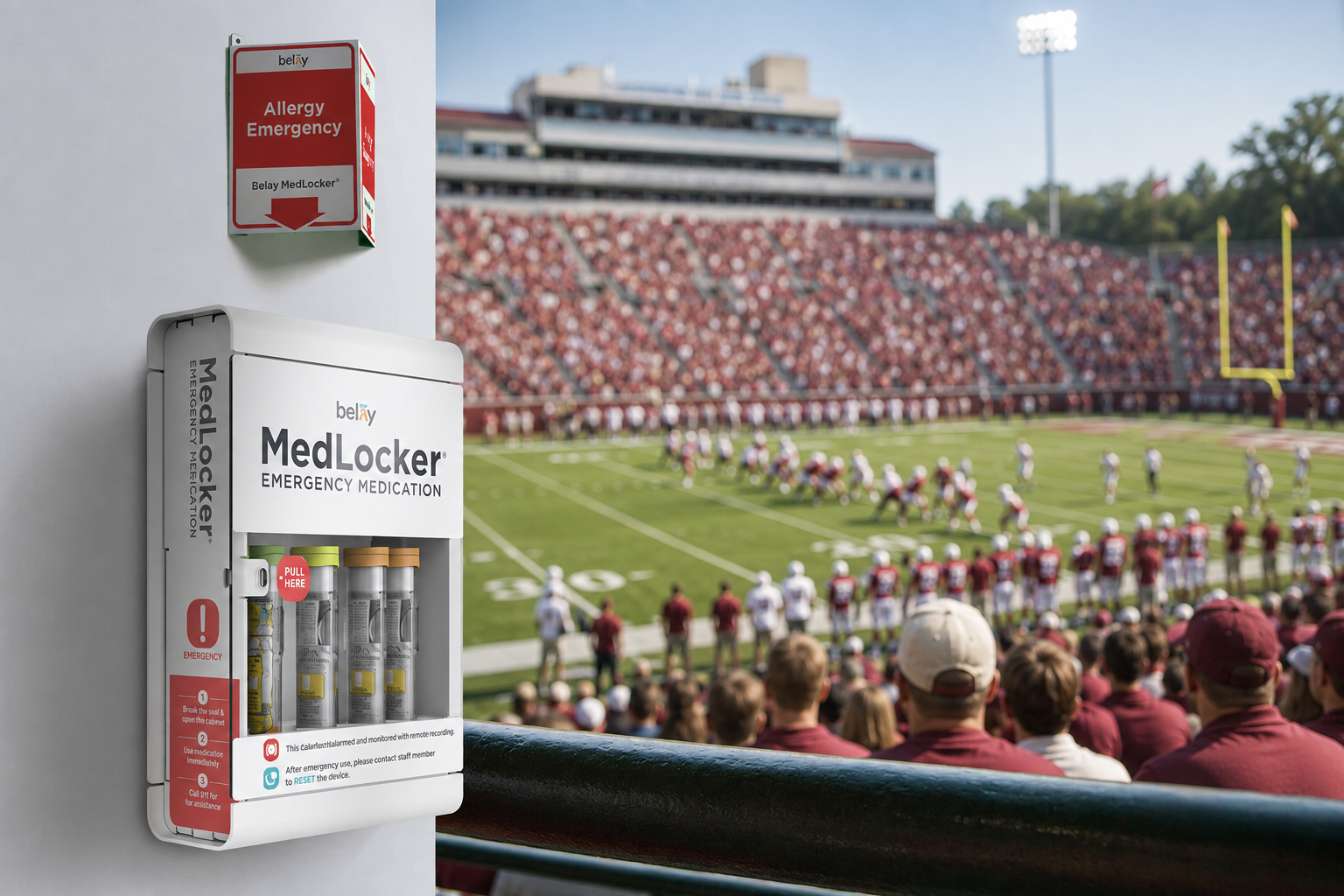
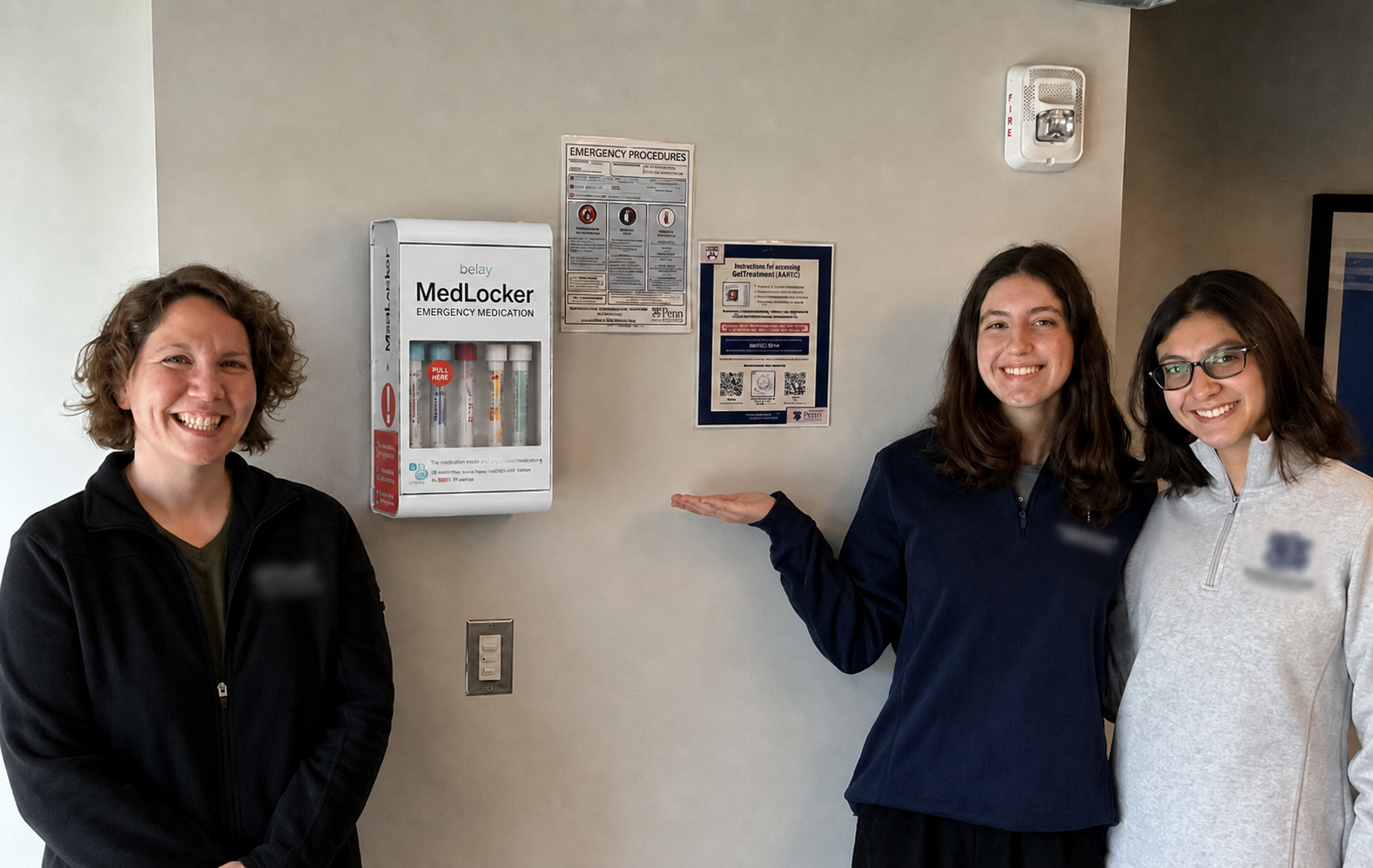
STEP 2: Grab the epinephrine Don’t hesitate. Don’t second-guess. If it’s in a MedLocker, you open it and take out the auto-injector. The camera records what’s happening. That’s a feature, not a concern.
STEP 3: Read the instructions (this takes 10 seconds) EpiPen has written instructions right on the side. AuviQ literally talks you through it with a digital voice. Take one deep breath and follow what it says.
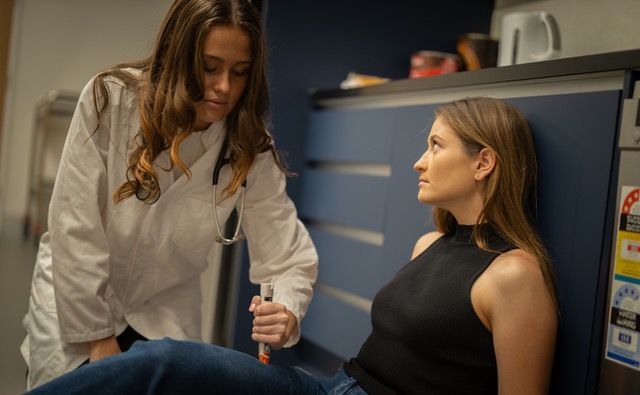
STEP 4: Inject in the outer thigh The device does most of the work. Hold it in place for the recommended time (usually 3-10 seconds depending on the device).
STEP 5: NOW you call 911 and the parents While you’re staying with the student, someone else handles the notifications. Not before. After.
I need to say this three times because I say it in every training: You will not harm the child by giving epinephrine. You will not harm the child by giving epinephrine. You will not harm the child by giving epinephrine.
Even if it turns out not to be anaphylaxis—even if you misread the situation—epinephrine will not cause lasting damage. The person might be jumpy for a couple of hours, like they drank too much coffee. That’s it.
But delaying epinephrine while someone’s throat swells shut? While their blood pressure drops? While they lose oxygen to their brain? That causes harm. Permanent, catastrophic, fatal harm.
My older son was diagnosed with food allergies at 14 months old. I’ve spent over fifteen years in this field. I led the legislative efforts that created the legal framework protecting you when you act decisively. And I’m telling you: The biggest danger isn’t giving epinephrine too quickly. The biggest danger is giving it too slowly.
The laws in 49 states provide you legal protection specifically because legislators understood this: In emergencies, you need to act without waiting for permission. That’s why you complete food allergy action plans at registration. That’s why parents sign acknowledgments of your emergency protocols. That’s why you train staff annually.
When the emergency happens, you don’t debate. You don’t hesitate. You don’t wait.
You give the epinephrine, you call for backup, you stay with the patient, and if symptoms don’t improve in 5-10 minutes, you give a second dose.
This is the protocol. It’s supported by medical consensus, embedded in state laws, and proven to save lives.
Your job isn’t to ask permission. Your job is to be prepared, trained, and ready to act when seconds count.
—Jennifer Jobrack