
Stocking is not readiness. Four jobs decide whether your naloxone program still works eighteen months from now.
Having Naloxone in the building feels resolved. However, everything I deal with happens after that moment, and it is the part nobody warns you about.
Most of the organizations I talk to about naloxone already have it. A state program supplied it, a grant paid for it, or somebody from a community group dropped it off. It is in the building. That happened faster than anyone in this industry expected.
Then I ask two questions. Who is responsible for it? And what happens on the day it expires?
Usually the room goes quiet.
Neither question is a gotcha. They are simply the two that separate a delivery from a program, and almost nobody got the answers handed to them along with the medication.
Four Jobs That Never Finish
Once naloxone is placed, readiness is not something you achieve. It is four jobs that have to keep getting done.
- Expiration tracking
This one fails quietly. Nothing breaks. No alarm goes off. Naloxone that everyone believes is ready has been expired for months, and nobody finds out until the day it is needed. Almost every organization I have worked with planned to track this on a spreadsheet. Very few were still updating it a year later.
- Restock
When naloxone is used, the system did its job to save a life. It also means that location is now empty, and the gap opens the moment the dose is given. If replacement depends on somebody remembering to submit a request, that gap stays open for weeks.
- Training that matches the staff you actually have
Turnover is the most underrated risk in any emergency medication program. The people who stood through training at installation are frequently not the people on shift when something happens.
- Documentation
Administrators underestimate this right up until the first incident, at which point it becomes the only subject anyone wants to discuss. Who was trained. When. On what. What happened when the medication was opened.
It Gets Worse With Every Site You Add
One building can run on diligence. A district cannot. Neither can a library system, a hotel group, or a campus with a dozen venues.
By five sites your spreadsheet is already wrong and nobody knows which row. By twenty, the honest answer to “are we covered right now” is that nobody can tell you. And the question has quietly changed. It is no longer whether someone can find the naloxone in this building. It is whether they can find it at every one of your locations, today — and that is not a question anyone answers by walking a hallway.
The organizations that handle this well stopped treating every location as its own small program and started treating coverage as one system, with one view of it.
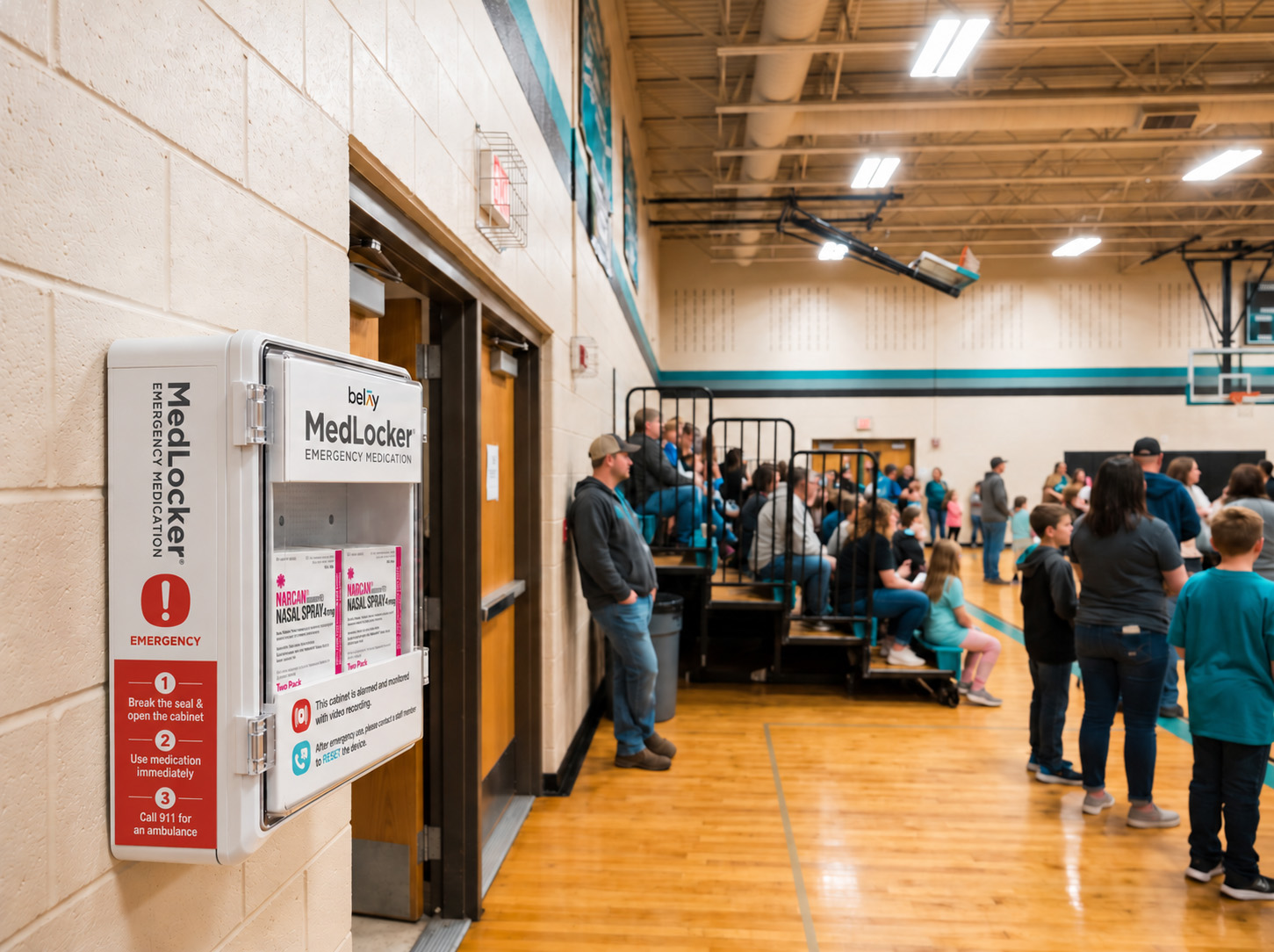
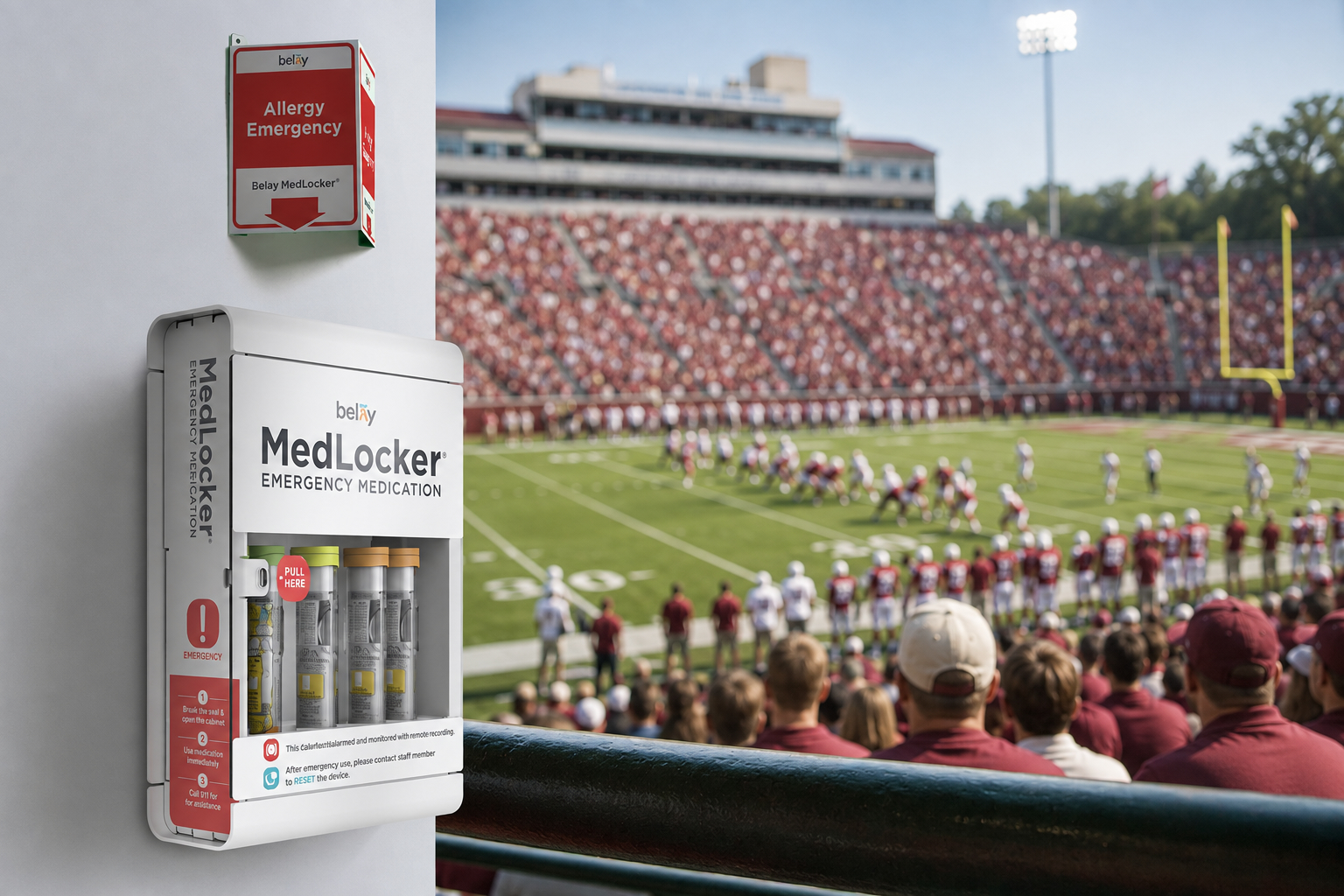
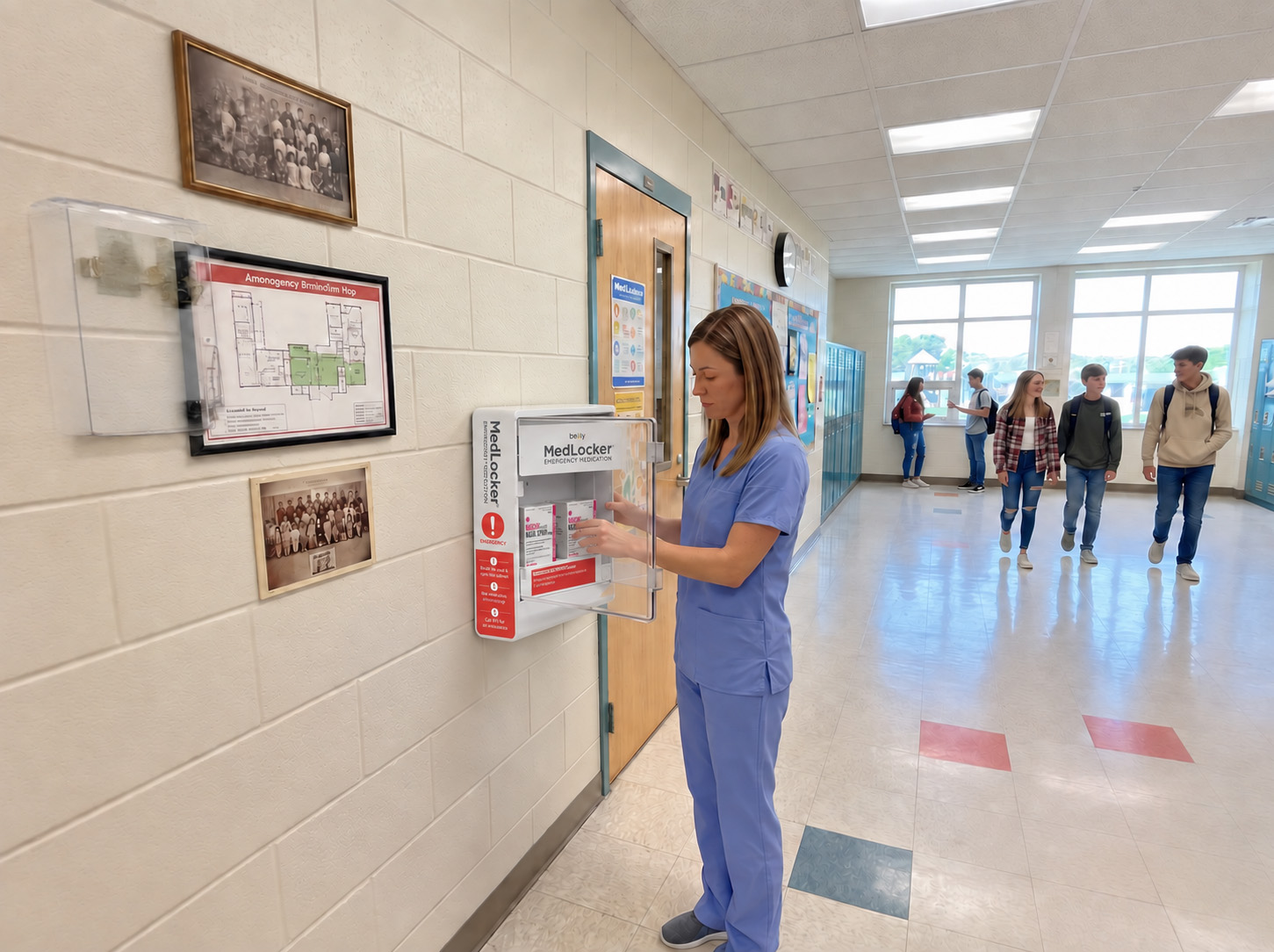
That is the part of MedLocker® that operators care about most and that gets talked about least. The station on the wall solves access. The software behind it answers what your risk office actually asks: across every site, what is stocked, what is expiring, who is trained, what was opened last month. Expiration tracking and restocking run on their own. Alerts fire in real time when a station is accessed. The audit trail writes itself.
You Don’t Have to Start Over
If you already have naloxone from a state program or a donation, none of this means throwing it out. The medication is the medication. What is usually missing is the layer around it, and that layer can be built on top of what you already have.
It also helps that the supply side has real infrastructure behind it now. Remedy Alliance grew out of the buyers club that community harm reduction programs relied on for over a decade, and supplies low-cost naloxone to those programs nationwide. NEXT Distro ships naloxone by mail at no cost, which makes it a useful backstop for individuals and for small sites waiting on an institutional restock. Neither one is a program. Both make running one more sustainable, and both are worth knowing about before you need them.
What to Do This Month
Find every dose of naloxone your organization owns and record four things about each: when it expires, who replaces it, who on site is trained to use it, and where that is written down. Any blank in that grid is your program weakness, and resolving it is a time critical activity..
Where This Lands
Readiness is not a state you reach. It is a thing that decays unless something is holding it up. Stocking naloxone is a decision you make once. Keeping it ready is a decision that has to be made every month, at every site, whether or not anyone is watching.
That is what we built into the MedLocker – visible, accessible, secure, and ready when it is needed.
Everything stays ready. Everything stays documented. Everything stays in compliance.