
As students return to campus and autumn lights illuminate stadiums, athletic directors and safety administrators face a critical operational challenge. From Friday night high school games to collegiate football, basketball, and spring baseball, venues host tens of thousands of athletes, students, and community members. But while turf quality, stadium entry, and security plans receive relentless attention, one vital question remains: Is your facility equipped for a sudden, life-threatening medical emergency?
For decades, venue medical planning centered on placing Automated External Defibrillators (AEDs) on walls to respond to sudden cardiac arrest. That was an essential step, but cardiac events are not the only minute-scale medical crises occurring in sports facilities. Severe allergic reactions, sudden asthma attacks, and opioid overdoses unfold rapidly. Relying on individuals to carry their own rescue medications is a systemic risk that facilities can no longer afford.
The Big Three: Setting the Stage for Public-Access Emergency Medications
To understand why emergency medications must be treated as standard venue infrastructure, consider the epidemiological realities across three primary medical threats:
- Epinephrine (Anaphylaxis): Over 33 million Americans live with food allergies, affecting roughly 1 in 13 students. Studies reveal that fewer than 50% of food-allergic college students consistently carry their self-injectable epinephrine. Crucially, 20% to 25% of severe allergic reactions in educational settings occur in individuals with no prior known diagnosis. Without on-site public access, a sudden reaction in a stadium concourse or dining hall can turn fatal before EMS arrives.
- Albuterol (Severe Respiratory Distress): Between 15% and 25% of competitive high school and college athletes suffer from asthma or exercise-induced bronchospasm. High physical exertion—especially during sweltering summer conditioning or intense game action—can lock up airways in minutes. Quick-relief albuterol restores breathing quickly when seconds count.
- Naloxone (Opioid Overdose Reversal): Large athletic venues bring together sprawling crowds of visitors, alumni, and community members. In 2023, nearly 80,000 of the 105,000 U.S. drug overdose deaths involved synthetic opioids like illicit fentanyl. CDC data shows bystanders are present in 43% of fatal overdoses. Public access to naloxone empowers immediate intervention before hypoxic brain injury occurs.
Legislation is Setting a New Standard of Care
This transition is not just a best practice—it is rapidly becoming a legal requirement. New York State recently enacted landmark legislation (S1078A/A2885A) requiring all places of public assembly with a capacity of 1,000 or more—including stadiums, ballparks, auditoriums, and gymnasiums—to maintain stock epinephrine auto-injectors and trained staff on site during events. Nationwide, stock medication statutes are raising the legal duty of care for venue operators.
From August Training Camps to Year-Round Competition
August training camps highlight these vulnerabilities early: practices compress into the hottest weeks of the year, spreading athletes across auxiliary fields, weight rooms, and dining halls while medical coverage is stretched thin. However, campus readiness is a full-year commitment across every season and sport. It is not too late to upgrade services across your entire facility footprint.
Your Action Plan for Campus Readiness
- Audit Your Footprint: Map every venue, practice field, weight room, and concourse. Identify any location where retrieving emergency medication takes longer than three minutes.
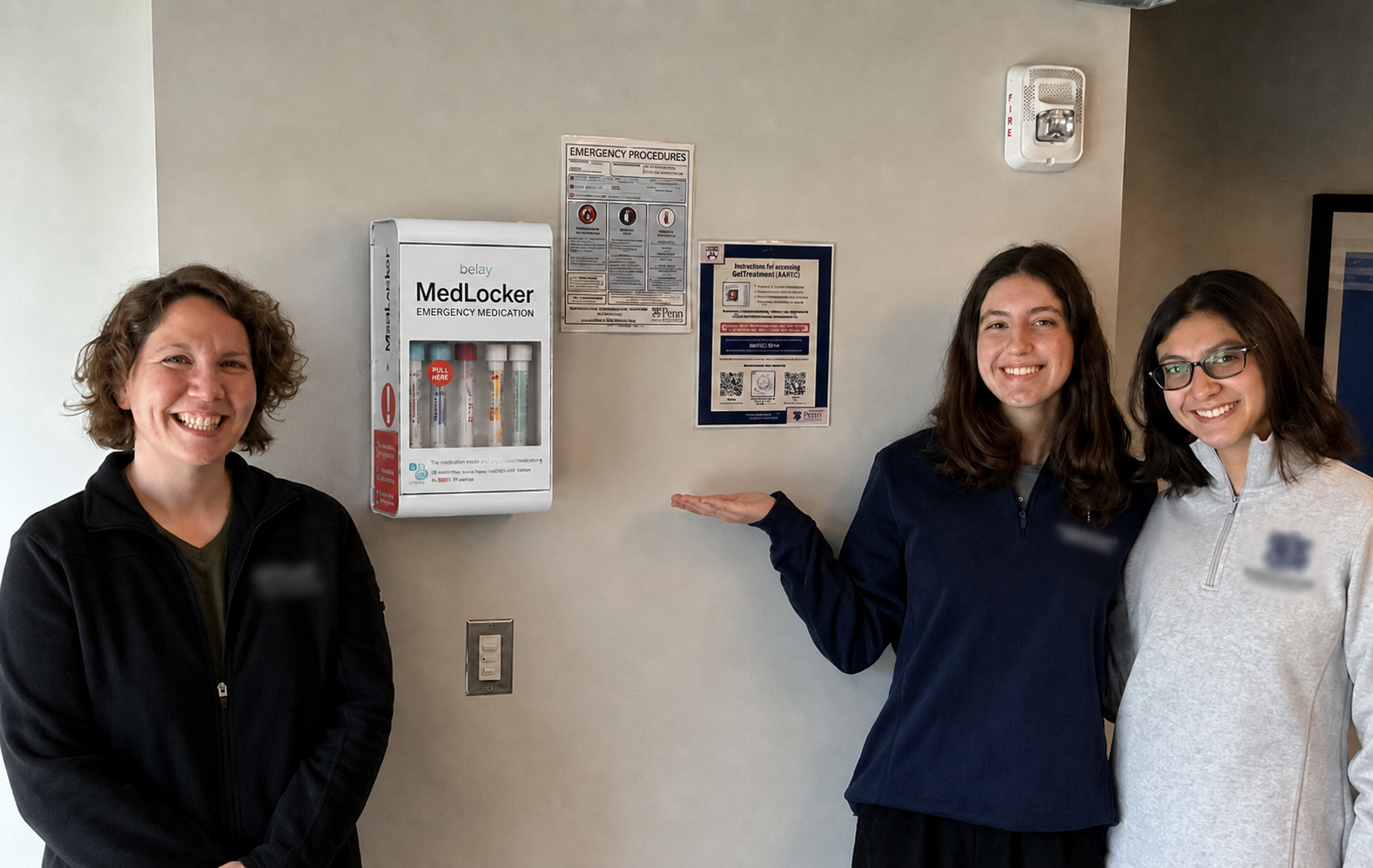
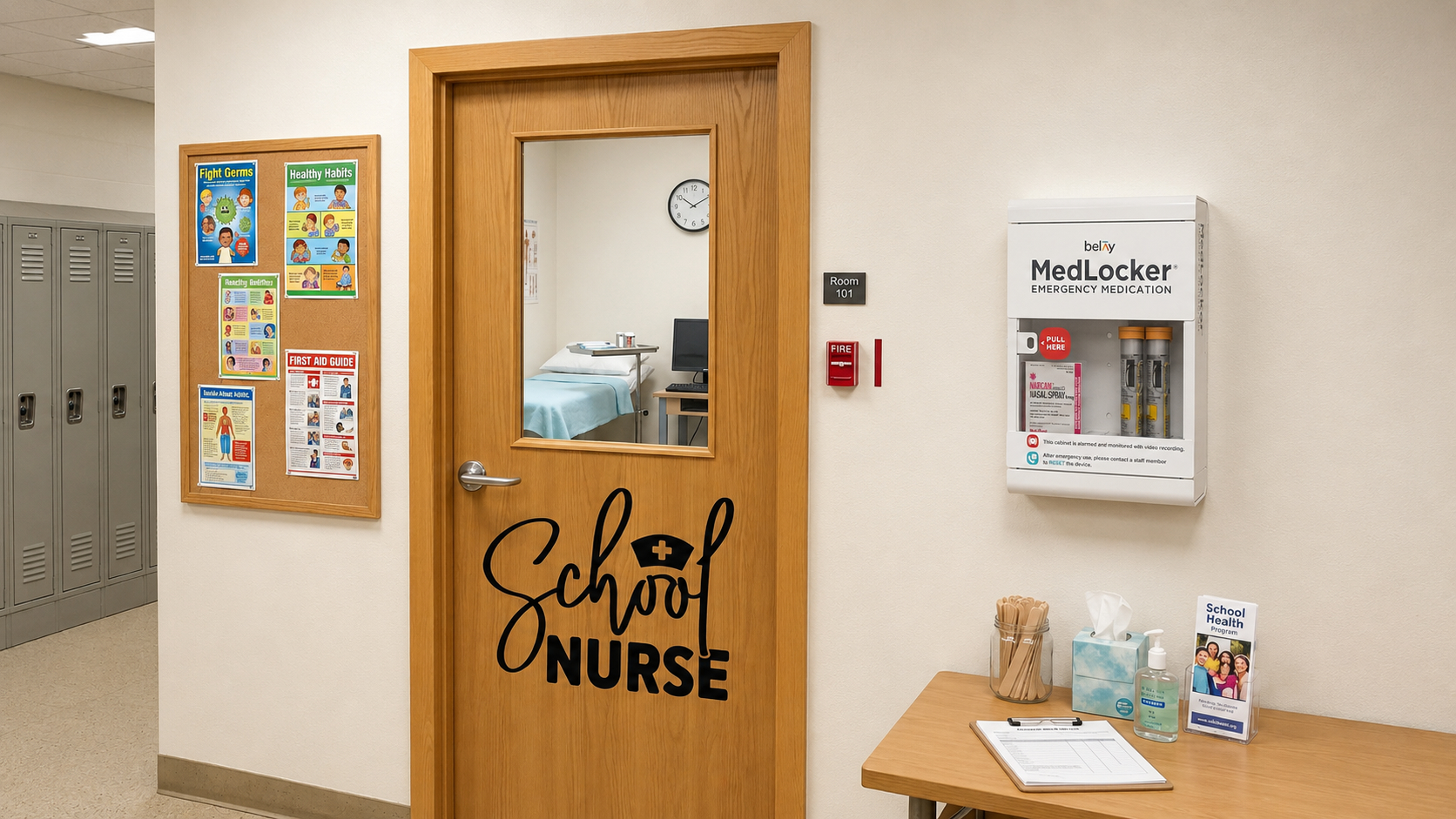
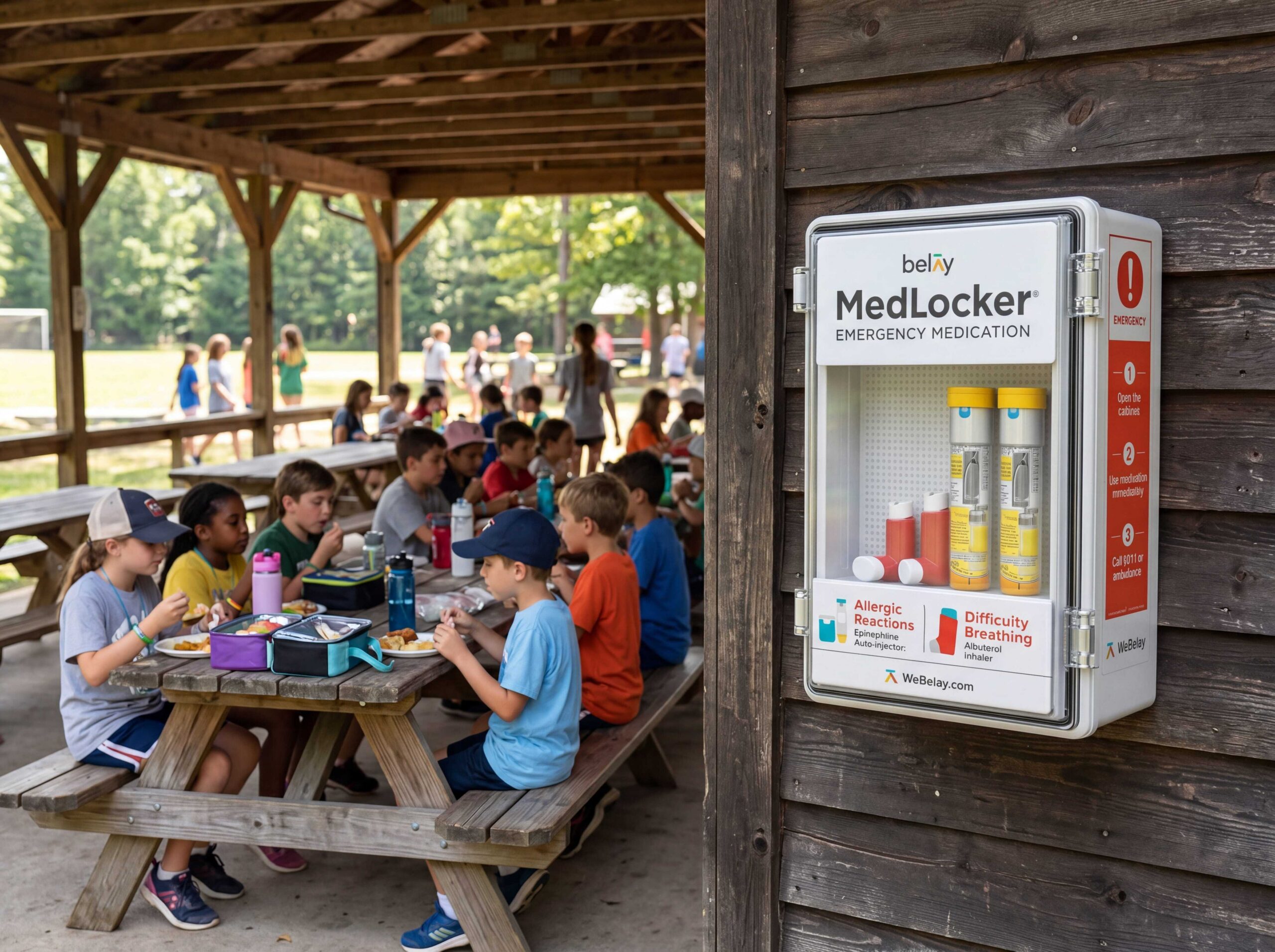
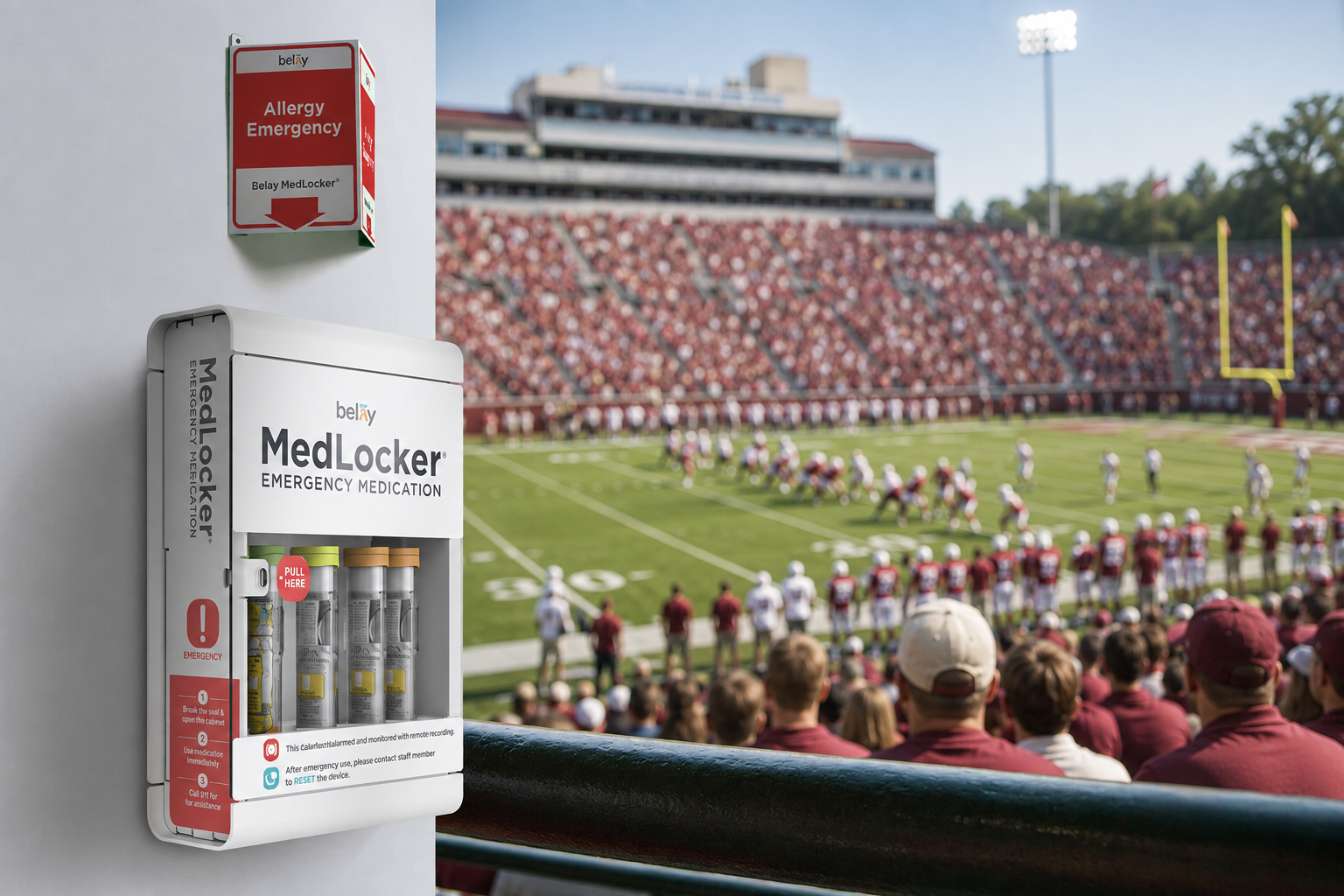
- Deploy Smart Infrastructure: Install secure smart enclosures—such as the MedLocker ecosystem—directly alongside your AEDs. Connected lockers automatically trigger alerts the moment they are opened.
- Establish Medical Orders & Training: Secure physician standing orders and equip athletic staff, coaches, and venue operators with digital training to maintain auditable compliance.
Don’t wait for an unexpected crisis to reveal a gap in your safety protocol. Modernize your sports facilities today to protect every athlete, student, and spectator all year long.